Cănițe din ceramică pentru țuică

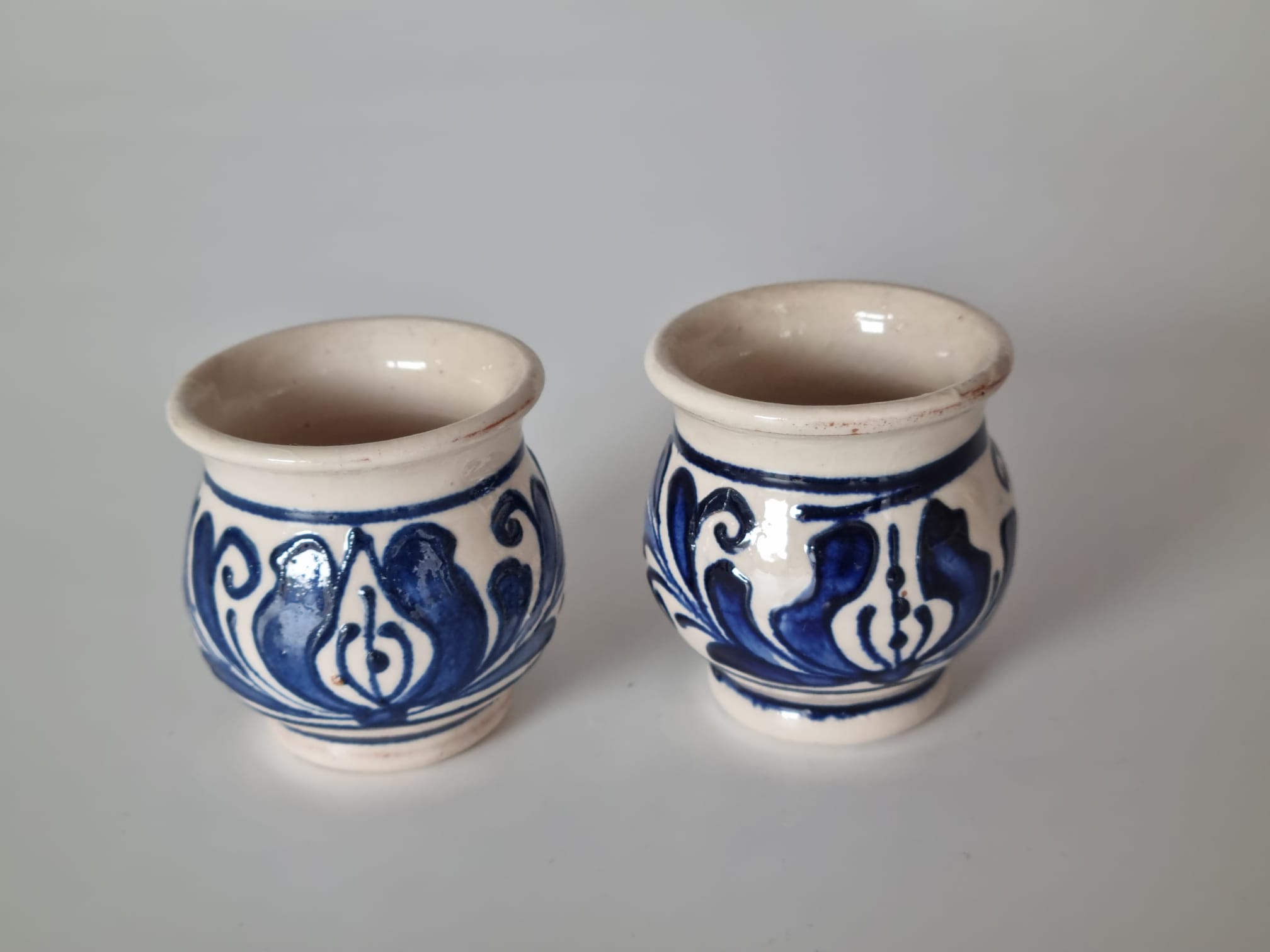
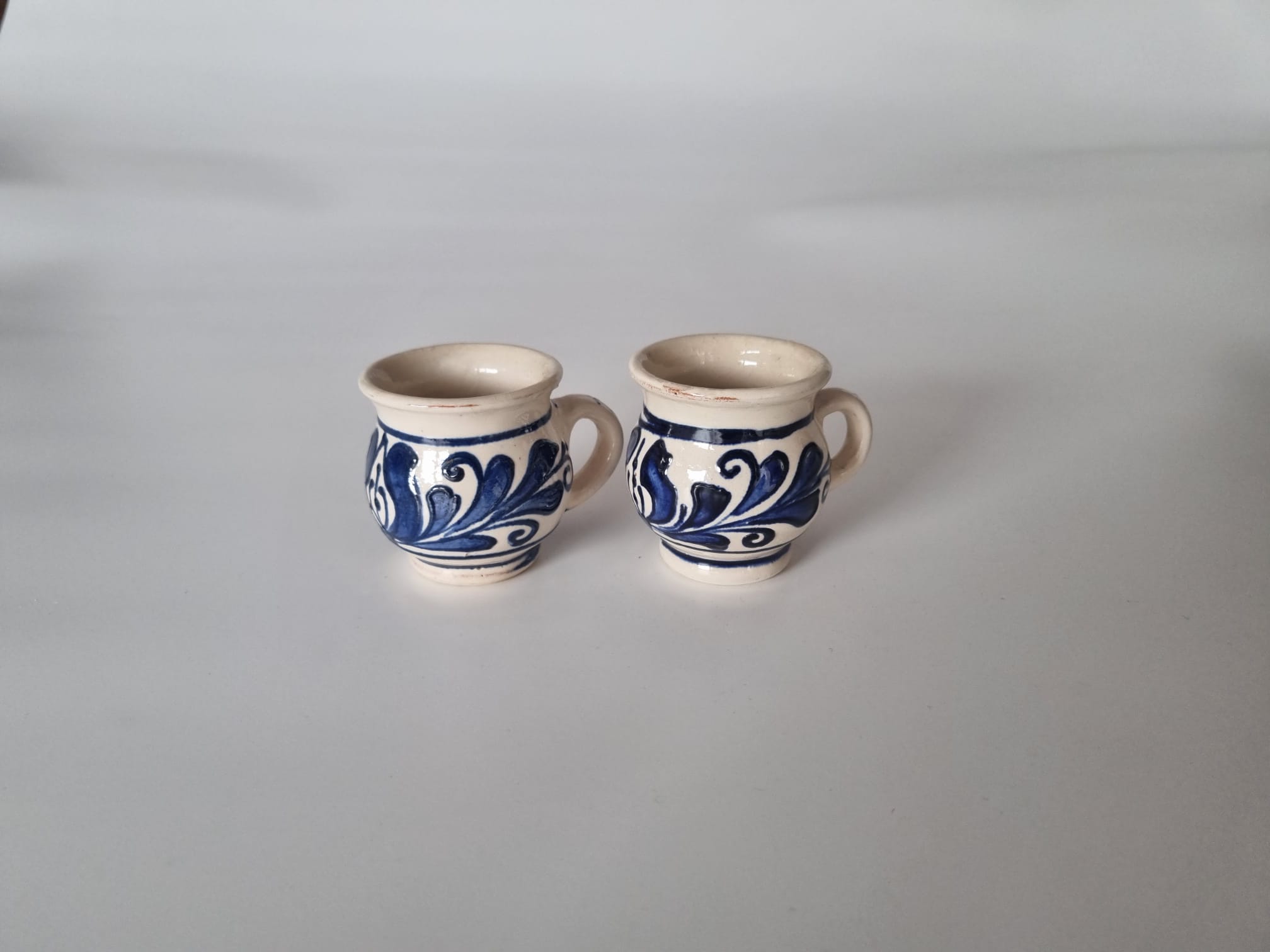
Numele obiectului: Cănițe din ceramică pentru țuică

Data intrării în colecție: 03/11/2025

Povestea obiectului:

Cumpărate din Corund (Harghita, România), în 2010. Fac parte dintr-un set mai mare, de 6 bucăți. Au fost primele obiecte puse în bagaj, atunci când familia Duțu a plecat în Belgia, la muncă.

FR

Achetées à Corund (Harghita, Roumanie) en 2010. Elles font partie d’un ensemble plus grand de 6 pièces. Elles ont été les premiers objets mis dans les bagages lorsque la famille Duțu est partie travailler en Belgique.

EN

Purchased in Corund (Harghita, Romania) in 2010. They are part of a larger set of 6 pieces. They were the first items packed when the Duțu family left for work in Belgium.

NL

Gekocht in Corund (Harghita, Roemenië) in 2010. Ze maken deel uit van een grotere set van 6 stuks. Ze waren de eerste items die werden ingepakt toen de familie Duțu naar België vertrok om te werken.


Descriere obiect:

Cănițele  din ceramică pentru țuică sunt realizate la Corund-Harghita. Au un design tradițional, cu motive albastre pe un fundal alb. Au o formă rotunjită și prin a o textură lucioasă datorită glazurării. Motivele decorative albastre includ elemente florale sau vegetale stilizate, caracteristice ceramicii populare.

FR

Les petites tasses pour l’eau-de-vie sont fabriquées à Corund-Harghita. Elles sont en céramique et ont un design traditionnel, avec des motifs bleus sur un fond blanc. Elles ont une forme arrondie et une texture luisante grâce à l’émaillage. Les motifs décoratifs bleus comprennent des éléments floraux ou végétaux stylisés, caractéristiques de la céramique populaire.

EN

The small cups for brandy are made in Corund-Harghita. They are ceramic and have a traditional design, with blue patterns on a white background. They have a rounded shape and a glossy texture due to the glazing. The blue decorative motifs include stylized floral or vegetal elements, characteristic of popular ceramics.

NL

De kleine kopjes voor brandewijn worden gemaakt in Corund-Harghita. Ze zijn van keramiek en hebben een traditioneel ontwerp, met blauwe motieven op een witte achtergrond. Ze hebben een afgeronde vorm en een glanzende textuur dankzij de glazuurlaag. De blauwe decoratieve motieven bevatten gestileerde bloem- of plantenelementen, kenmerkend voor volkskeramiek.


Origine: Corund, Harghita, România

Proprietar: Muzeul Migrației

Vocea donatorului:

„Mereu mă mândresc cu aceste cești de câte ori am musafiri, chiar dacă cei mai mulți sunt români ca și mine. Când scot palinca, scot și ceștile; eu le zic cești, dar nu-s de cafea. Nevasta mea m-a certat când le-am luat în Belgia. A spus că avem atâtea de luat și numai grija ceștilor nu mai avea. „Lasă, nevastă, că nu te încurcă pe tine, le țin eu în torpedoul mașinii.” Și le-am luat. Acum, vă ofer două dintre ele pentru muzeu, dacă faceți vreodată o expoziție, să scrieți acolo numele meu. Și v-aduc și niște palincă, când o fi, să aibă suflet expoziția”.

FR

Voix du donateur :„Je suis toujours fier de ces tasses quand j’ai des invités, même si la plupart sont roumains comme moi. Quand je sers la palinca, je sors aussi les tasses ; je les appelle tasses, mais elles ne sont pas pour le café. Ma femme m’a réprimandé quand je les ai prises en Belgique. Elle a dit que nous avions tant de choses à emporter et que nous n’avions pas besoin de ces tasses. ‘Laisse, ma chérie, elles ne te dérangent pas, je les mets dans la boîte à gants de la voiture.’ Et je les ai prises. Maintenant, je vous en offre deux pour le musée, si vous faites un jour une exposition, inscrivez mon nom là-bas. Et je vous apporterai aussi de la palinca, pour donner une âme à l’exposition.”

EN

Donor’s voice: „I am always proud of these cups when I have guests, even if most of them are Romanians like me. When I serve palinca, I also bring out the cups; I call them cups, but they’re not for coffee. My wife scolded me when I took them to Belgium. She said we had so much to pack and didn’t need to worry about the cups. ‘Don’t worry, dear, they won’t bother you, I’ll keep them in the car’s glove compartment.’ And I took them. Now, I offer you two for the museum, if you ever have an exhibition, write my name there. And I’ll bring you some palinca too, to give the exhibition some soul.”

NL

Stem van de donateur: „Ik ben altijd trots op deze kopjes als ik gasten heb, zelfs als de meesten van hen net als ik Roemeens zijn. Als ik palinca schenk, haal ik ook de kopjes tevoorschijn; ik noem ze kopjes, maar ze zijn niet voor koffie. Mijn vrouw berispte me toen ik ze meenam naar België. Ze zei dat we zoveel spullen moesten meenemen en dat we ons geen zorgen hoefden te maken over de kopjes. ‘Maak je geen zorgen, liefje, ze storen je niet, ik bewaar ze in het handschoenenkastje van de auto.’ En ik nam ze mee. Nu bied ik je er twee aan voor het museum. Als je ooit een tentoonstelling houdt, schrijf dan mijn naam erbij. En ik breng ook wat palinca mee, om de tentoonstelling echt leven in te blazen.”


Alte informații relevante:

Corund (Harghita, România) este o localitate din județul Harghita, România, renumită pentru olărit și ceramică. 
  • Corund este situat în Ținutul Sării, o regiune etno-culturală din Transilvania.
  • Ceramica de Corund este un meșteșug tradițional, cu motive populare specifice.
  • Cănile din ceramică sunt apreciate pentru capacitatea lor de a menține băuturile calde pentru o perioadă mai lungă de timp.

Ceramica de Corund 

Ceramiștii folosesc lut de calitate, regiuni specifice, care este prelucrat manual.

Obiectele sunt modelate prin tehnici tradiționale, iar procesul de ardere se realizează în cuptoare speciale.

Motivele decorative includ elemente inspirate din natura locală, cum ar fi flori, frunze și păsări.

Culorile predominante sunt albastru, verde și roșu, aplicate pe un fundal alb sau crem.

Fiecare piesă este pictată manual, ceea ce oferă unicitate și autenticitate.

Ceramica include o varietate de obiecte: farfurii, căni, vaze, oale și obiecte decorative.

Aceste obiecte sunt apreciate atât pentru utilizarea practică, cât și pentru valoarea decorativă.

Ceramica de Corund reflectă identitatea culturală a regiunii.

Piesele sunt adesea potrivite ca suveniruri, simbolizând tradiția și arta populară românească.

De-a lungul timpului, ceramica de Corund a câștigat recunoaștere internațională, fiind expusă în muzee și colecții din întreaga lume.

Meșteșugarii locali organizează ateliere și târguri pentru promovarea și păstrarea acestei tradiții vie.

Ceramica de Corund este o mărturie a bogăției culturale și artistice din România, continuând să inspire și să aducă bucurie celor care o admiră și o folosesc.

FR

Corund (Harghita, Roumanie) est une localité du département de Harghita, connue pour sa poterie et sa céramique. Située dans la région ethno-culturelle de Ținutul Sării en Transylvanie, la céramique de Corund est un artisanat traditionnel avec des motifs populaires spécifiques. Les tasses en céramique sont appréciées pour leur capacité à garder les boissons chaudes plus longtemps.

Céramique de Corund

Les artisans utilisent de l’argile de qualité provenant de régions spécifiques, travaillée à la main. Les objets sont façonnés selon des techniques traditionnelles, et la cuisson est réalisée dans des fours spéciaux. Les motifs décoratifs incluent des éléments inspirés de la nature locale, tels que des fleurs, feuilles et oiseaux. Les couleurs prédominantes sont le bleu, vert et rouge, appliquées sur un fond blanc ou crème. Chaque pièce est peinte à la main, offrant ainsi unicité et authenticité.

La céramique comprend une variété d’objets : assiettes, tasses, vases, pots et objets décoratifs. Appréciée à la fois pour son utilisation pratique et sa valeur décorative, la céramique de Corund reflète l’identité culturelle de la région. Souvent appropriées comme souvenirs, ces pièces symbolisent la tradition et l’art populaire roumain. Au fil du temps, elle a acquis une reconnaissance internationale, exposée dans des musées et collections du monde entier. Les artisans locaux organisent ateliers et foires pour promouvoir et préserver cette tradition vivante. La céramique de Corund témoigne de la richesse culturelle et artistique de la Roumanie, continuant d’inspirer et de ravir ceux qui l’admirent et l’utilisent.

EN

Corund (Harghita, Romania) is a locality in Harghita County, renowned for pottery and ceramics. Located in the Salt Country, an ethno-cultural region of Transylvania, Corund ceramics is a traditional craft with specific folk motifs. Ceramic mugs are appreciated for their ability to keep drinks warm for longer.

Corund Ceramics

Potters use high-quality clay from specific regions, processed by hand. The items are shaped using traditional techniques, and the firing process is carried out in special kilns. Decorative motifs include elements inspired by local nature, such as flowers, leaves, and birds. The predominant colors are blue, green, and red, applied on a white or cream background. Each piece is hand-painted, offering uniqueness and authenticity.

The ceramics include a variety of items: plates, mugs, vases, pots, and decorative objects. Appreciated for both practical use and decorative value, Corund ceramics reflect the cultural identity of the region. Often suitable as souvenirs, these pieces symbolize Romanian tradition and folk art. Over time, it has gained international recognition, displayed in museums and collections worldwide. Local artisans organize workshops and fairs to promote and preserve this living tradition. Corund ceramics are a testament to Romania’s cultural and artistic richness, continuing to inspire and bring joy to those who admire and use it.

NL

Corund (Harghita, Roemenië) is een plaats in het district Harghita, beroemd om zijn aardewerk en keramiek. Gelegen in het Zoutland, een etnisch-culturele regio van Transsylvanië, is de keramiek van Corund een traditioneel ambacht met specifieke volksmotieven. Keramische mokken worden gewaardeerd om hun vermogen om dranken langer warm te houden.

Keramiek van Corund

Keramisten gebruiken klei van hoge kwaliteit uit specifieke regio’s, met de hand bewerkt. De voorwerpen worden gevormd met traditionele technieken, en het bakproces vindt plaats in speciale ovens. Decoratieve motieven omvatten elementen geïnspireerd door de lokale natuur, zoals bloemen, bladeren en vogels. De overheersende kleuren zijn blauw, groen en rood, aangebracht op een witte of crème achtergrond. Elk stuk is handbeschilderd, wat uniciteit en authenticiteit biedt.

De keramiek omvat een verscheidenheid aan voorwerpen: borden, mokken, vazen, potten en decoratieve objecten. Zowel gewaardeerd voor praktisch gebruik als decoratieve waarde, weerspiegelt de keramiek van Corund de culturele identiteit van de regio. Vaak geschikt als souvenirs, symboliseren deze stukken de Roemeense traditie en volkskunst. In de loop der tijd heeft het internationale erkenning gekregen, tentoongesteld in musea en collecties over de hele wereld. Lokale ambachtslieden organiseren workshops en beurzen om deze levende traditie te promoten en te behouden. De keramiek van Corund is een getuigenis van de culturele en artistieke rijkdom van Roemenië en blijft inspireren en vreugde brengen aan degenen die het bewonderen en gebruiken.

Cuvinte cheie: cești, ceramică, Corund, Harghita, obiecte biografice, Muzeul Migrației

Credit foto: Muzeul Migrației