

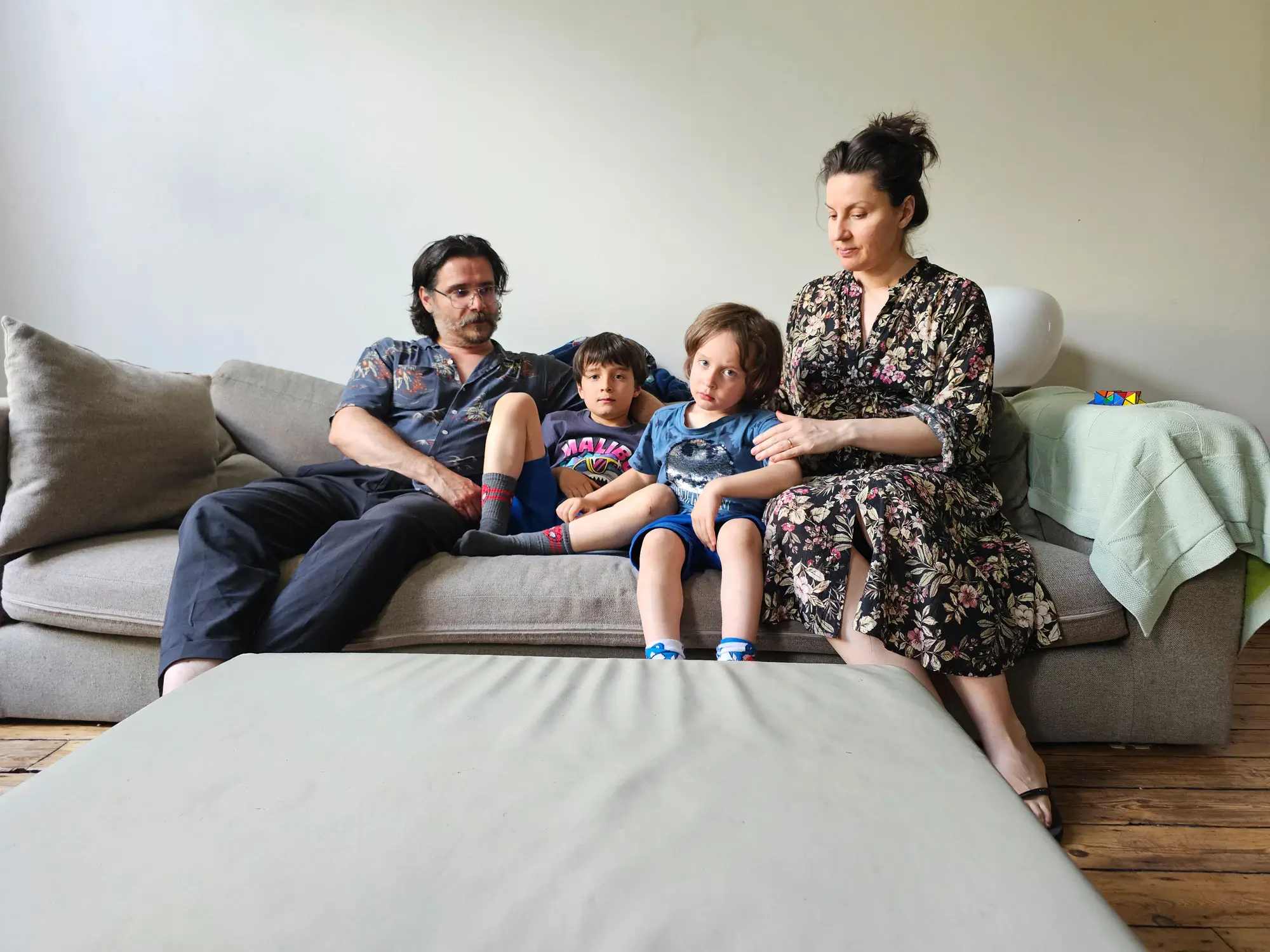
Bogdan Cândea, un arhitect român stabilit în Belgia, își începe povestea cu amintiri din septembrie 2000, când a ajuns în Belgia ca parte din primul val de studenți Erasmus. „Am venit din curiozitate, fără gânduri de a rămâne„, spune el, reflectând asupra anilor petrecuți la Institutul de Arhitectură Ion Mincu în București, oraș de care era îndrăgostit. Însă Belgia, cu cultura ei și oportunitățile de a studia și lucra, l-au făcut să rămână.
Începuturile au fost marcate de mirare și de o adaptare rapidă la un mediu diferit, unde umanitatea gesturilor mărunte l-a prins imediat.
Bogdan vorbește despre prietenii durabile pe care le-a legat și despre libertatea de a trăi decent. „În franceză este o expresie: ‘Jamais deux sans trois’… mereu mai rămâi un an„, glumește el, descriind procesul resetării trecutului și cum a început să-și construiască o viață nouă, an după an.
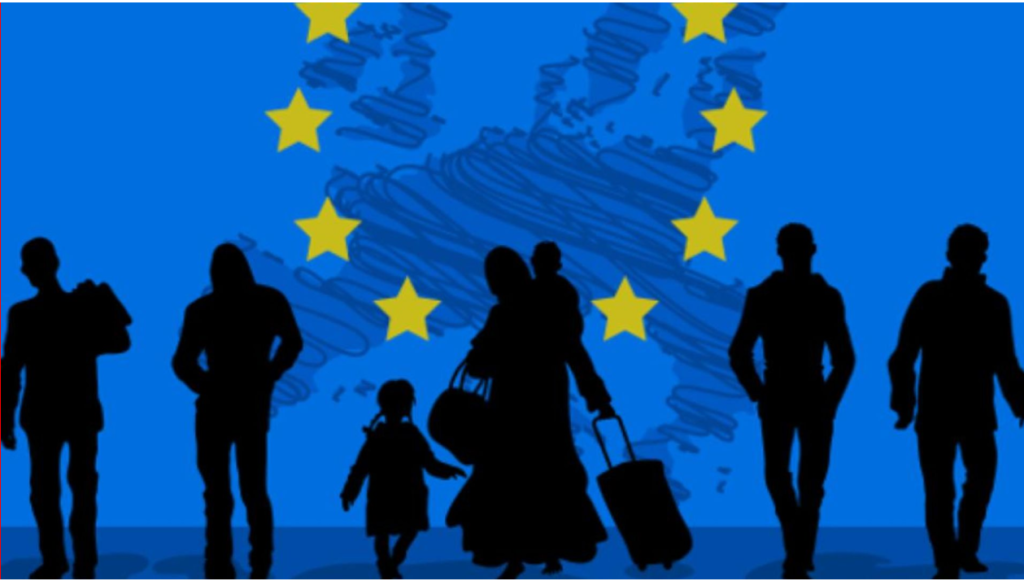
Când vine vorba de dorul de România, Bogdan mărturisește că „mi-e dor și nu mi-e dor„. Integrarea în Belgia l-a ajutat să vadă granițele ca pe niște convenții. „Suntem europeni„, afirmă el, subliniind că diferențele de limbă nu sunt o barieră în fața conexiunilor umane.
Soția sa, Irina, pe care a cunoscut-o la Vama Veche, l-a urmat în Belgia, formând împreună un drum care nu cunoaște granițe de origine sau identitate. „Nu văd nicio problemă să-și continue viața în Belgia”, spune el, evocând un parteneriat bazat pe libertate și pe înțelegere comună.
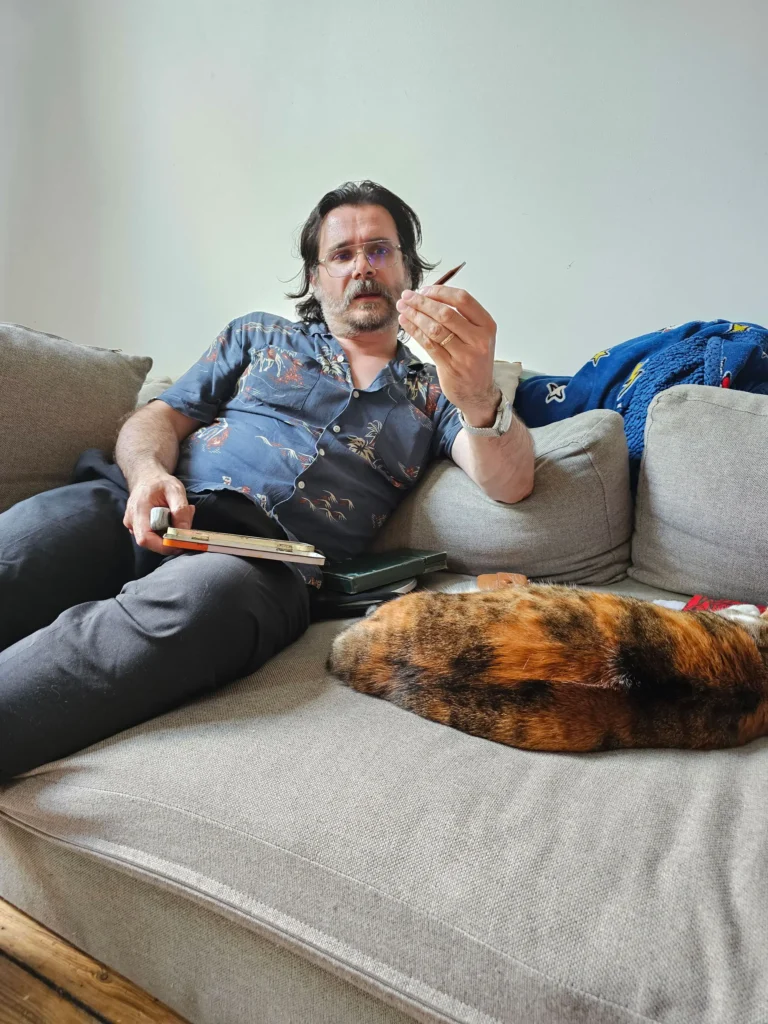
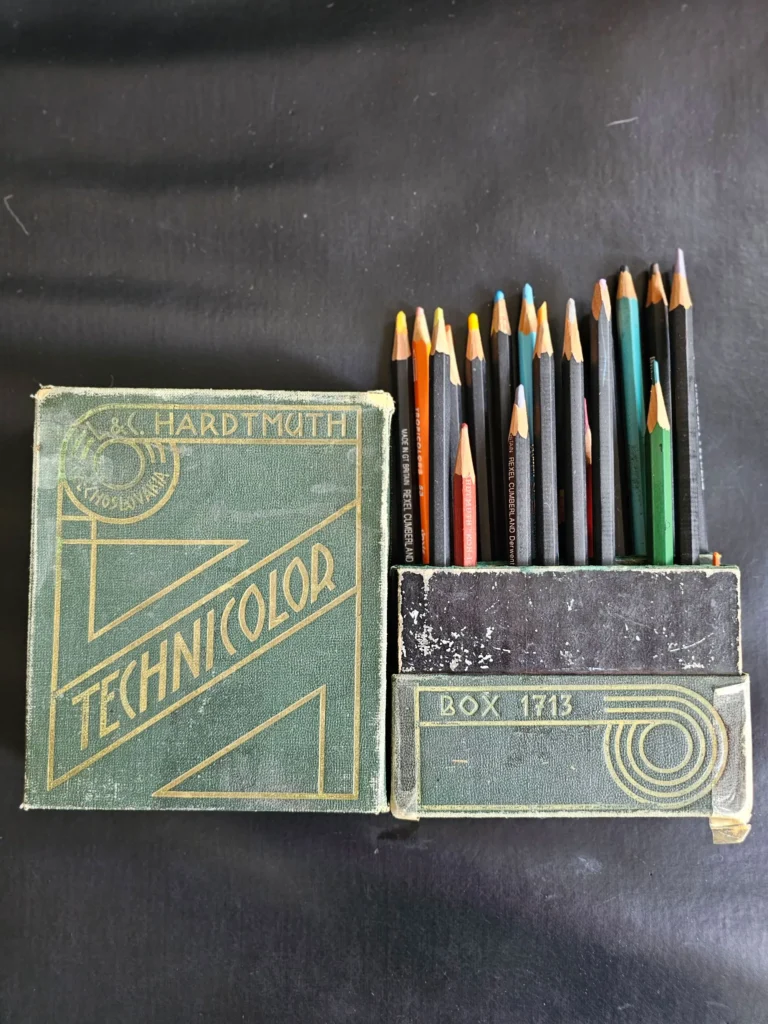
Printre obiectele dragi ale lui Bogdan aduse din România în Belgia se numără o cutie de creioane colorate de la tatăl său, pe care o cumpărase cândva în anii ’60. Bogdan povestește cum încerca să păcălească lungimea creioanelor, punând vată în cutie, la bază, astfel încât să pară mai lungi, ca tatăl lui să nu își dea seama că le folosește, deși pentru asta i le dăduse.
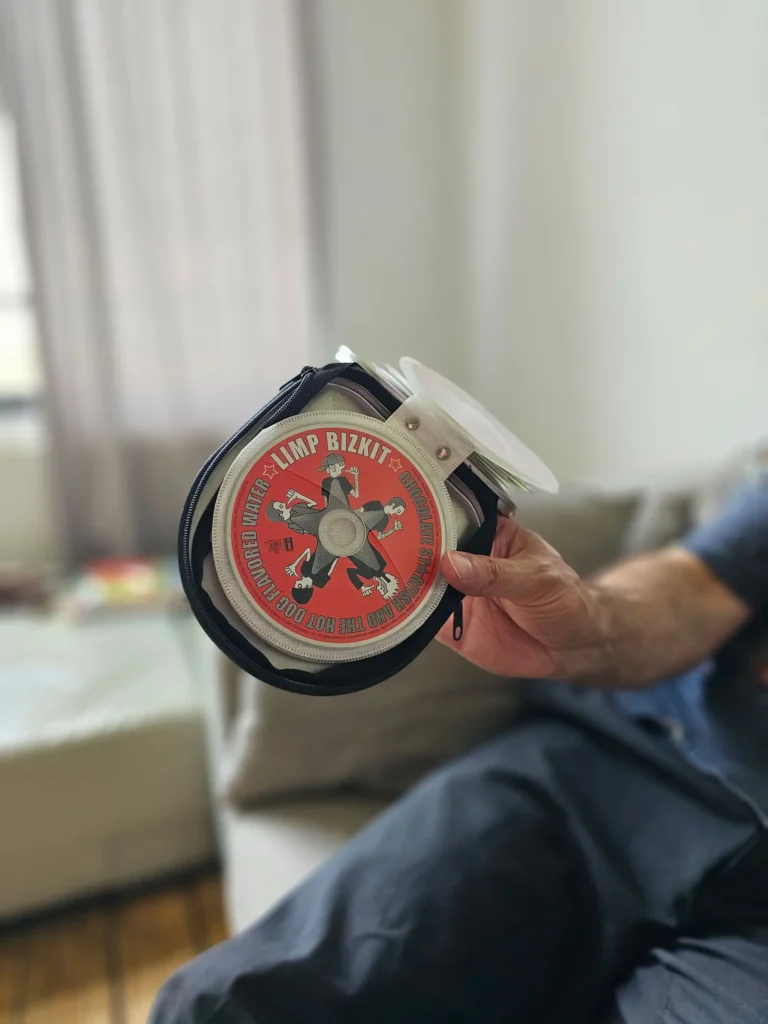
Se mai mândrește cu ochelarii Carrera, cumpărați după primele șase luni de muncă, și cu colecția sa de CD-uri de muzică din anii 1990-2000, din vremea când era adolescent și student, care l-au însoțit în Belgia, de asemenea, și pe care le păstrează ca pe ochii din cap. Soția lui Irina remarcă de față cu mine că și acum ascultă aceeași muzică. Normal, completează Bogdan, că „doar nu m-am schimbat”.
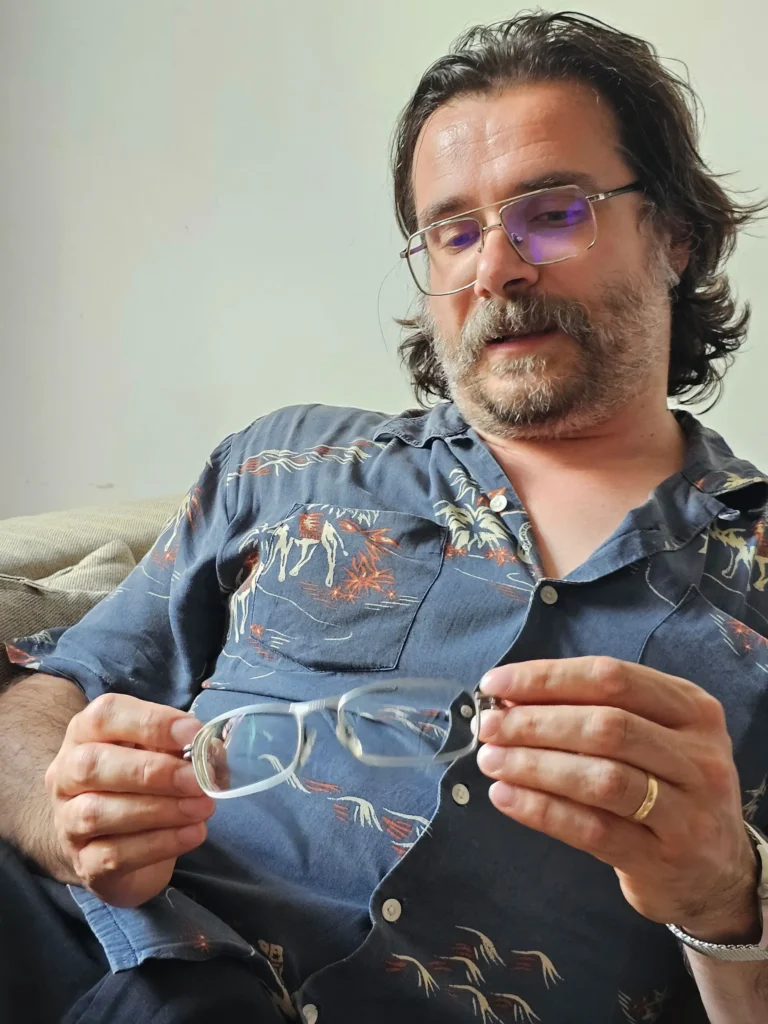
Ochelarii Carrera sunt o achiziție specială dintr-un magazin din Brașov, aleși cu grijă din economiile strânse. „Au fost prima mea pereche de ochelari de vedere”, povestește el. Aceștia au fost purtați timp de zece ani și iată că și acum după zeci de ani, simbolizează perseverența și dedicarea sa.
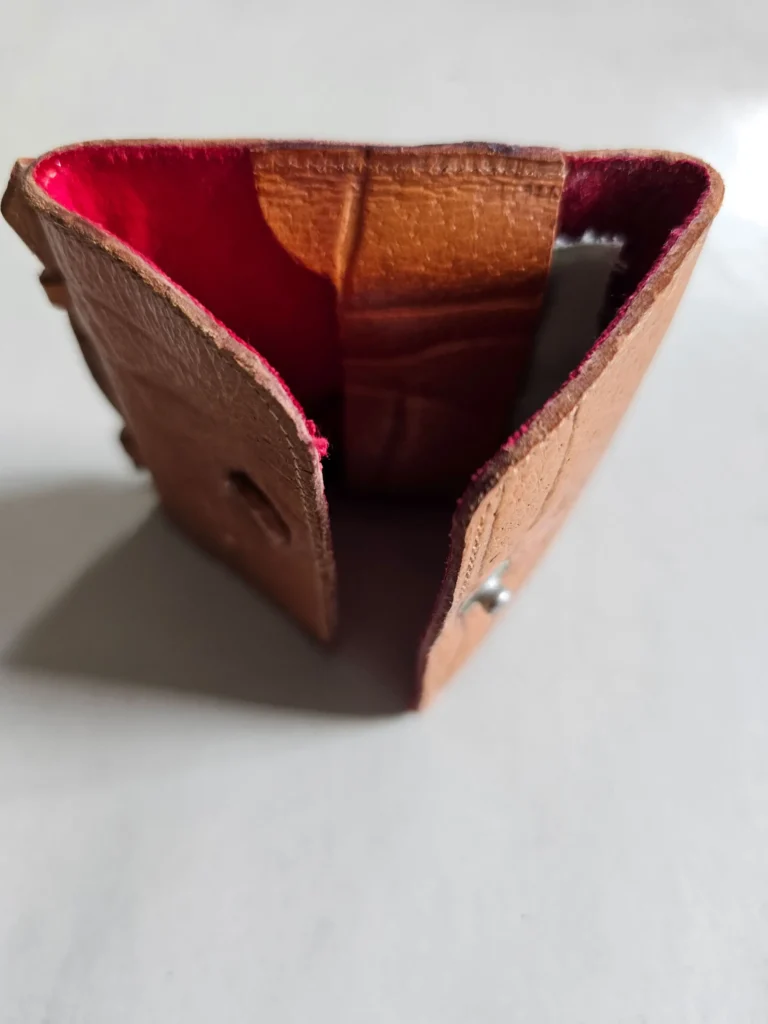
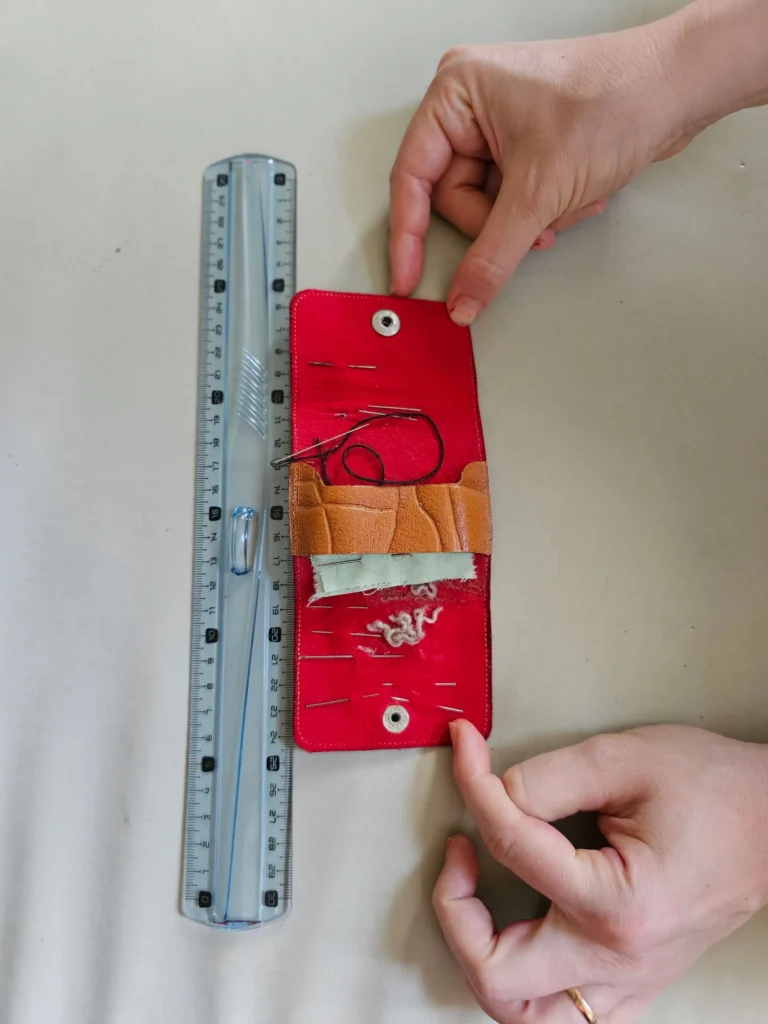
De asemenea, trusa de ace de cusut de la mama sa este un obiect prețuit, simbolizând grija și legătura cu familia. Deși nefolosită acum, trusa îi amintește de casă, de acasă.
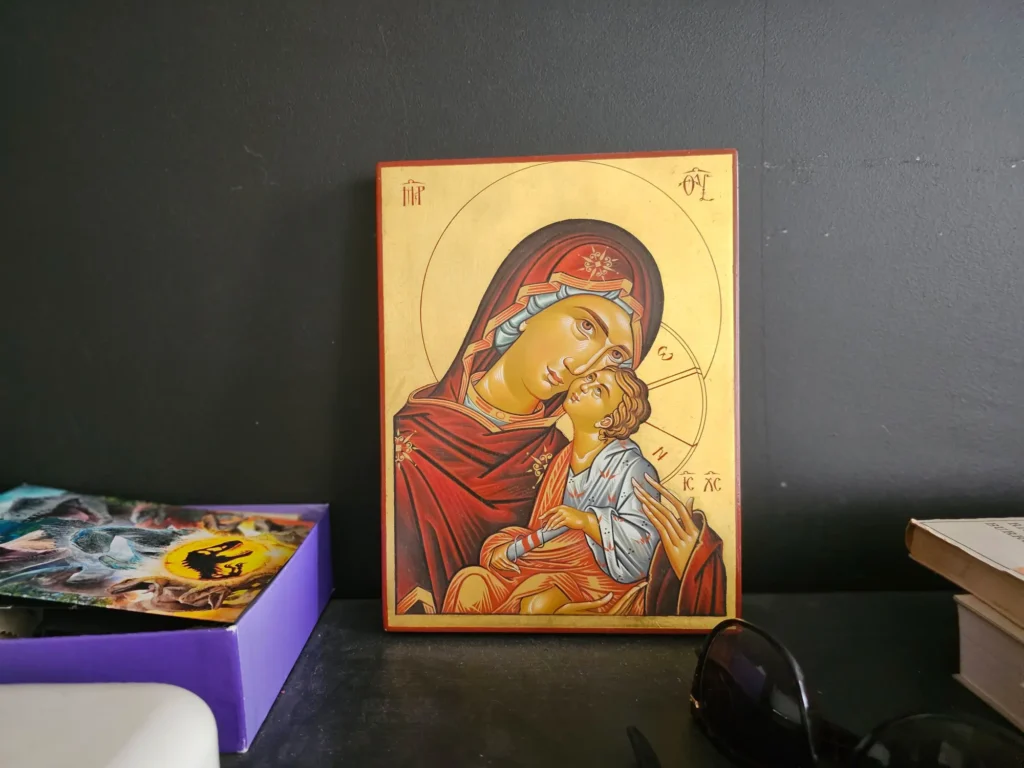
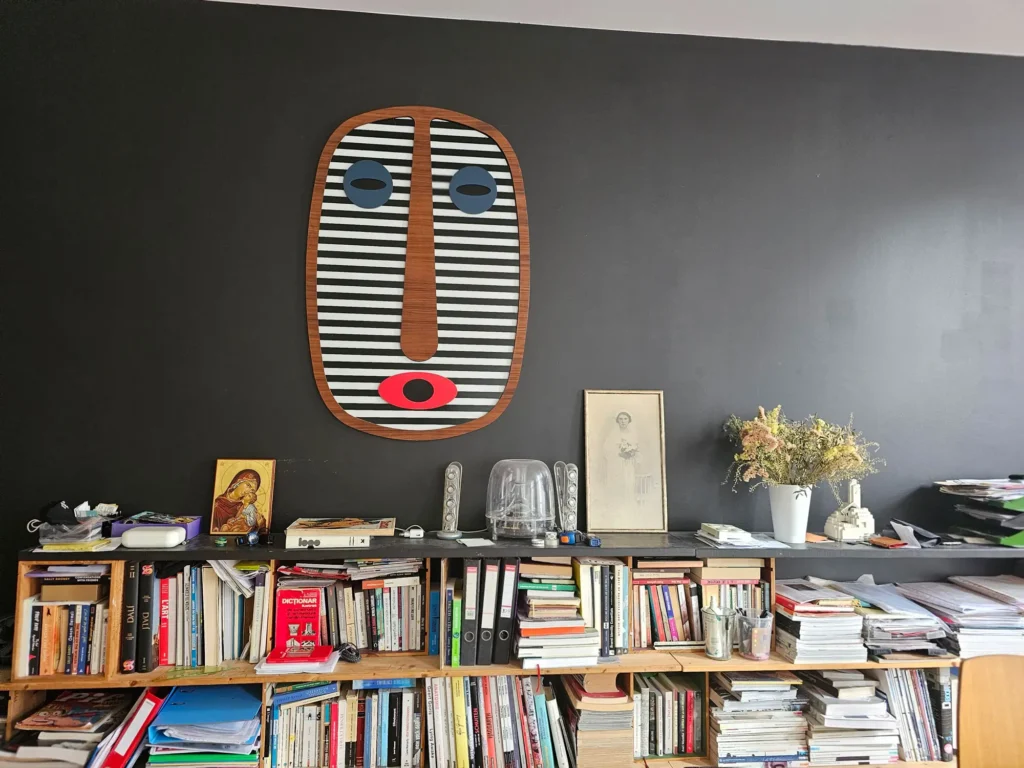
Pe un raft din bibliotecă văd o icoană și îl întreb de unde e. E pictată de prietenul lui Toni și a primit-o cadou la nuntă. Este singurul obiect care stă la vedere, celelalte sunt scoase din cutii, din debara.
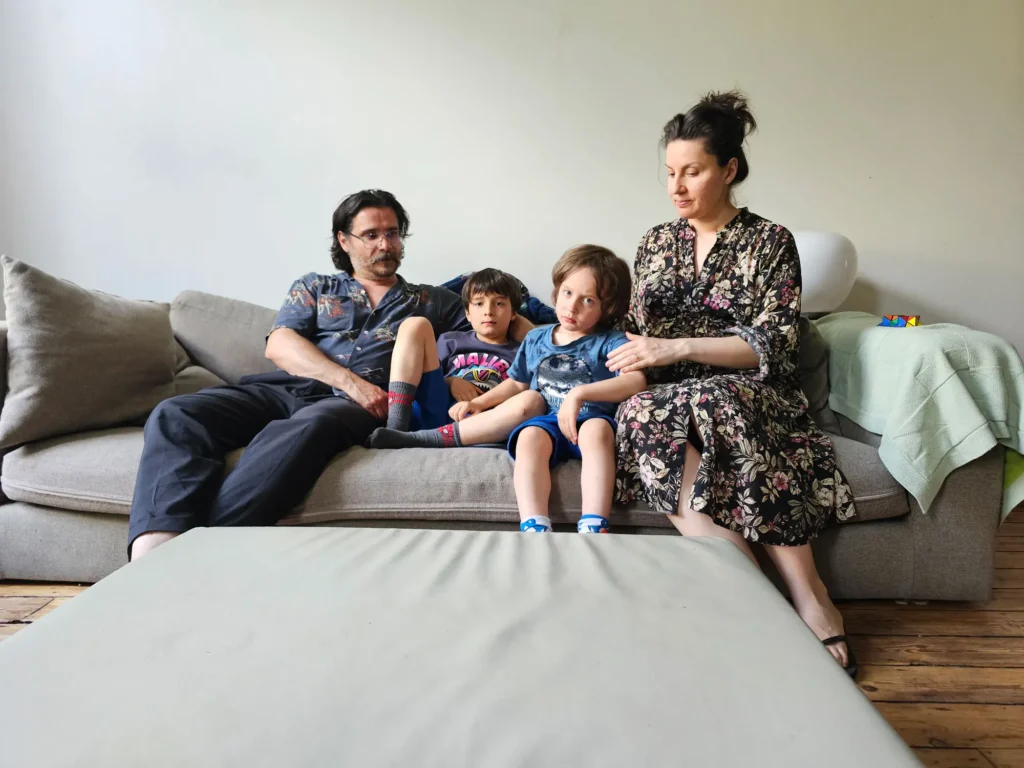
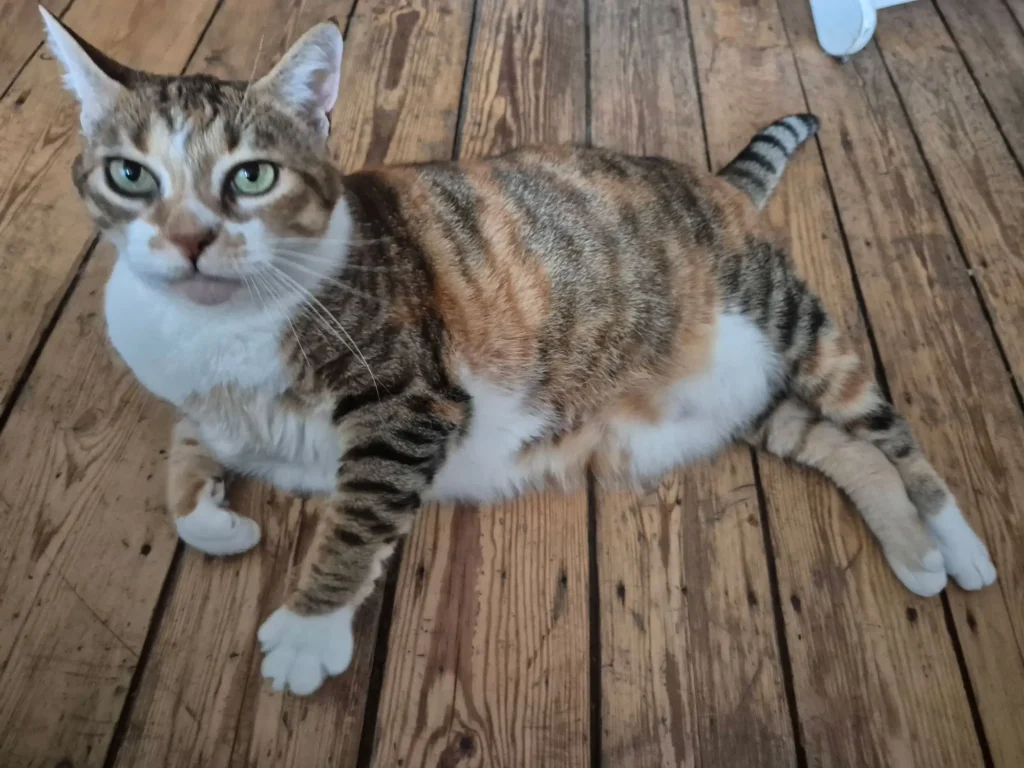
Chiar și pisica familiei, adusă tot din România, face parte din această poveste a migrației, fiind un simbol viu al tranziției lor în Belgia. A găsit-o Irina, rănită pe o stradă din Galați, se pregătea să se întoarcă în Belgia, așa că a dus-o la veterinar, apoi au călătorit împreună cu avionul și nu s-au mai despărțit de atunci. Nici de Irina, nici de Bogdan, dar nici de Sașa și Yago, cei doi băieți ai lor. Urmează să se împrietenească și cu mezina familiei, Ana Sophia, care s-a născut în urmă cu câteva săptămâni.
(work in progress)
Reportaj de Cristina Hurdubaia, parte din proiectul-pilot Migrație și patrimoniu. Patrimoniul în mișcare. Studiu de caz: Românii din Belgia (cazul belgian), 2025. Co-finanțat de AFCN
FR
La Roumanie me manque, mais elle ne me manque pas
Bogdan Cândea, un architecte roumain installé en Belgique, commence son récit par des souvenirs de septembre 2000, lorsqu’il est arrivé en Belgique dans le cadre de la première vague d’étudiants Erasmus. « Je suis venu par curiosité, sans intention de rester », dit-il, en repensant aux années passées à l’Institut d’architecture Ion Mincu à Bucarest, ville dont il était tombé amoureux. Mais la Belgique, avec sa culture et ses opportunités d’études et de travail, l’a incité à rester.
Ses débuts ont été marqués par l’émerveillement et une adaptation rapide à un environnement différent, où la gentillesse des petits gestes l’a immédiatement séduit.
Bogdan parle des amitiés durables qu’il a nouées et de la liberté de vivre décemment. « En français, il y a une expression : « Jamais deux sans trois »… on reste toujours un an de plus », plaisante-t-il, décrivant le processus de remise à zéro du passé et comment il a commencé à se construire une nouvelle vie, année après année.
Quand il s’agit de la nostalgie de la Roumanie, Bogdan avoue que « ça me manque et ça ne me manque pas ». Son intégration en Belgique l’a aidé à considérer les frontières comme des conventions. « Nous sommes européens », affirme-t-il, soulignant que les différences linguistiques ne sont pas un obstacle aux relations humaines.
Sa femme, Irina, qu’il a rencontrée à Vama Veche, l’a suivi en Belgique, formant ensemble un chemin qui ne connaît pas de frontières d’origine ou d’identité. « Je ne vois aucun problème à continuer ma vie en Belgique », dit-il, évoquant un partenariat basé sur la liberté et la compréhension mutuelle.
Parmi les objets chers à Bogdan qu’il a rapportés de Roumanie en Belgique, on trouve une boîte de crayons de couleur de son père, qu’il avait achetée dans les années 60. Bogdan raconte comment il essayait de tromper son père sur la longueur des crayons en mettant de la ouate dans la boîte, à la base, afin qu’ils semblent plus longs, pour que son père ne se rende pas compte qu’il les utilisait, alors qu’il les lui avait donnés pour cela.
Il est également fier de ses lunettes Carrera, achetées après ses six premiers mois de travail, et de sa collection de CD de musique des années 1990-2000, datant de l’époque où il était adolescent et étudiant, qui l’ont également accompagné en Belgique et qu’il conserve précieusement. Sa femme Irina remarque en ma présence qu’il écoute toujours la même musique. Normal, ajoute Bogdan, « je n’ai pas changé ».
Les lunettes Carrera sont un achat spécial dans un magasin de Brașov, choisies avec soin grâce à ses économies. « C’était ma première paire de lunettes de vue », raconte-t-il. Il les a portées pendant dix ans et, aujourd’hui encore, après des décennies, elles symbolisent sa persévérance et son dévouement.
De même, la trousse à couture de sa mère est un objet précieux, symbolisant l’attention et le lien avec sa famille. Bien qu’elle ne soit plus utilisée aujourd’hui, cette trousse lui rappelle sa maison, son foyer.
Sur une étagère de la bibliothèque, j’aperçois une icône et je lui demande d’où elle vient. Elle a été peinte par son ami Toni et lui a été offerte en cadeau de mariage. C’est le seul objet exposé, les autres sont sortis des boîtes, du placard.
Même le chat de la famille, également originaire de Roumanie, fait partie de cette histoire de migration, étant un symbole vivant de leur transition en Belgique. Irina l’a trouvée blessée dans une rue de Galați, alors qu’elle s’apprêtait à rentrer en Belgique. Elle l’a emmenée chez le vétérinaire, puis ils ont voyagé ensemble en avion et ne se sont plus quittés depuis. Ni Irina, ni Bogdan, ni Sașa et Yago, leurs deux fils . Ils vont bientôt se lier d’amitié avec la benjamine de la famille, Ana Sophia, née il y a quelques semaines.
Reportage de Cristina Hurdubaia, dans le cadre du projet pilote Migration et patrimoine. Le patrimoine en mouvement. Étude de cas : les Roumains en Belgique (cas belge), 2025. Cofinancé par l’AFCN.
EN
I miss Romania, but I don’t miss
Bogdan Cândea, a Romanian architect living in Belgium, begins his story with memories from September 2000, when he arrived in Belgium as part of the first wave of Erasmus students. „I came out of curiosity, with no intention of staying,” he says, reflecting on his years at the Ion Mincu Institute of Architecture in Bucharest, a city he had fallen in love with. But Belgium, with its culture and opportunities to study and work, made him stay.
The early days were marked by wonder and rapid adaptation to a different environment, where the humanity of small gestures immediately captivated him.
Bogdan talks about the lasting friendships he has made and the freedom to live decently. „In French there is an expression: ‘Jamais deux sans trois’… you always stay for another year,” he jokes, describing the process of resetting the past and how he began to build a new life, year after year.
When it comes to missing Romania, Bogdan confesses that „I miss it and I don’t miss it.” Integrating into Belgium helped him see borders as conventions. „We are Europeans,” he says, emphasising that language differences are not a barrier to human connections.
His wife, Irina, whom he met in Vama Veche, followed him to Belgium, and together they have forged a path that knows no boundaries of origin or identity. „I see no problem in continuing our life in Belgium,” he says, evoking a partnership based on freedom and mutual understanding.
Among Bogdan’s cherished possessions brought from Romania to Belgium is a box of coloured pencils from his father, which he bought sometime in the 1960s. Bogdan recounts how he tried to cheat the length of the pencils by putting cotton wool in the box at the bottom to make them look longer, so that his father wouldn’t realise he was using them, even though that was why he had given them to him.
He is also proud of his Carrera glasses, bought after his first six months of work, and his collection of music CDs from the 1990s and 2000s, from when he was a teenager and a student, which he also took with him to Belgium and which he cherishes dearly. His wife Irina remarks in front of me that he still listens to the same music. Of course, Bogdan adds, „I haven’t changed.”
His Carrera glasses are a special purchase from a shop in Brașov, carefully chosen from his savings. „They were my first pair of glasses,” he says. He wore them for ten years, and now, decades later, they symbolise his perseverance and dedication.
His mother’s sewing kit is also a treasured item, symbolising care and connection with his family. Although unused now, the kit reminds him of home.
On a shelf in the library, I see an icon and ask him where it is from. It was painted by his friend Toni and given to him as a wedding gift. It is the only object on display; the others are taken out of boxes in the closet.
Even the family cat, also brought from Romania, is part of this story of migration, being a living symbol of their transition to Belgium. Irina found her injured on a street in Galați and, as she was preparing to return to Belgium, took her to the vet. They then travelled together by plane and have been inseparable ever since. Neither Irina nor Bogdan, nor Sașa and Yago, their tw s. They are also about to become friends with the youngest member of the family, Ana Sophia, who was born a few weeks ago.
Report by Cristina Hurdubaia, part of the pilot project Migration and Heritage. Heritage on the Move. Case study: Romanians in Belgium (the Belgian case), 2025. Co-funded by AFCN


3 Comments